
Why Sustainable Leather Sourcing Matters for Men's Dress Shoes
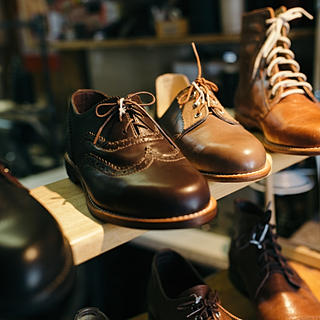
When selecting premium footwear, the quality of leather is a critical factor. However, beyond quality, the source of the leather plays a significant role in the overall impact of the product. Sustainable leather sourcing is becoming increasingly important in the world of men's dress shoes. It addresses environmental concerns, ethical practices, and long-term durability. In this post, I will explore why sustainable leather matters, how it benefits both the consumer and the planet, and what to consider when choosing handcrafted leather footwear.
Understanding Sustainable Leather Sourcing
Sustainable leather sourcing refers to the process of obtaining leather in a way that minimizes environmental harm and promotes ethical treatment of animals and workers. This involves several key practices:
Responsible animal husbandry: Leather comes from animals raised with care, avoiding factory farming methods that cause excessive pollution and animal cruelty.
Eco-friendly tanning processes: Traditional tanning uses harmful chemicals like chromium, which pollute water sources. Sustainable tanneries use vegetable-based or other less toxic methods.
Waste reduction and recycling: Efficient use of raw materials and recycling by-products reduce landfill waste.
Fair labor practices: Ensuring workers in the leather supply chain receive fair wages and work in safe conditions.
Sustainable leather sourcing is not just a trend but a necessary shift in the footwear industry. According to a 2023 report by the Leather Working Group, tanneries adopting sustainable practices reduced water consumption by up to 40% and chemical waste by 60%. These improvements contribute to healthier ecosystems and communities.

The Environmental Impact of Leather Production
Leather production has traditionally been associated with significant environmental challenges. The livestock industry contributes to deforestation, greenhouse gas emissions, and water overuse. Additionally, conventional tanning processes release toxic substances into the environment.
Sustainable leather sourcing addresses these issues by:
Reducing carbon footprint: By sourcing leather from farms practicing rotational grazing and sustainable feed, carbon emissions are lowered.
Conserving water: Sustainable tanneries implement water recycling systems and use less water-intensive methods.
Limiting chemical pollution: Using natural tanning agents reduces harmful runoff into rivers and soil.
For example, vegetable tanning uses natural tannins from tree bark and plants, which are biodegradable and less harmful than chromium salts. This method also produces leather with a unique patina that improves with age, adding character to dress shoes.
Choosing sustainably sourced leather supports these environmental benefits. It encourages the industry to adopt greener practices and helps preserve natural resources for future generations.
What shoes should a 40 year old man wear?
At 40, footwear choices often balance style, comfort, and durability. For men in this age group, investing in high-quality, handcrafted dress shoes made from sustainable leather is a wise decision. These shoes offer several advantages:
Timeless style: Classic designs such as oxfords, brogues, and loafers remain fashionable and appropriate for various occasions.
Comfort and fit: Handcrafted shoes typically provide better fit and support, essential for all-day wear.
Longevity: Sustainable leather is often more durable, aging gracefully and maintaining its appearance over time.
Versatility: Neutral colors and refined styles complement both business attire and smart casual looks.
When selecting shoes, consider those made with vegetable-tanned or chrome-free leather. These materials not only feel better on the feet but also align with sustainable values. Proper care, including regular polishing and conditioning, will extend the life of your shoes and keep them looking sharp.

How Sustainable Leather Enhances Craftsmanship and Quality
Sustainability in leather sourcing often goes hand in hand with superior craftsmanship. Artisans who prioritize sustainable materials tend to focus on quality over quantity. This approach results in shoes that are:
Handcrafted with attention to detail: Stitching, shaping, and finishing are done meticulously.
Made from premium hides: Sustainable sourcing often means selecting hides with fewer defects and better natural characteristics.
Built to last: Durable construction methods such as Goodyear welt or Blake stitching allow resoling and repair.
The use of sustainable leather also influences the shoe’s aesthetics. Natural tanning processes preserve the leather’s unique grain and texture, giving each pair a distinct look. Over time, the leather develops a rich patina that enhances its character.
Investing in such footwear supports skilled artisans and promotes a culture of quality and responsibility. It also reduces the need for frequent replacements, which benefits both the consumer and the environment.
Practical Tips for Choosing Sustainable Leather Dress Shoes
When shopping for sustainable leather dress shoes, keep these practical tips in mind:
Research the tannery: Look for brands that disclose their leather sourcing and tanning methods. Certifications from organizations like the Leather Working Group are a good sign.
Ask about the leather type: Vegetable-tanned, chrome-free, or recycled leather options are preferable.
Check craftsmanship details: Inspect stitching, sole attachment, and leather finish.
Consider repairability: Shoes with welted construction can be resoled, extending their lifespan.
Maintain your shoes properly: Use appropriate conditioners and polishes to keep the leather supple and protected.
By following these guidelines, you can make informed decisions that align with sustainable values without compromising on style or comfort.
The Future of Sustainable Leather in Men's Dress Shoes
The demand for sustainable leather is growing as consumers become more aware of environmental and ethical issues. This shift is encouraging manufacturers to innovate and improve their practices. Advances in technology and materials are making sustainable leather more accessible and affordable.
Brands committed to sustainability often combine traditional craftsmanship with modern techniques. This blend results in footwear that meets the highest standards of quality and responsibility.
For those seeking premium, handcrafted footwear, sustainable leather sourcing offers a meaningful way to support a better future. It ensures that the shoes you wear not only look good but also contribute positively to the world.
Choosing men dress shoes made from sustainably sourced leather is a step toward more conscious consumption. It reflects a commitment to quality, ethics, and environmental stewardship.
Sustainable leather sourcing is more than a marketing term - it is a vital aspect of producing high-quality men's dress shoes that stand the test of time. By understanding its importance and making informed choices, you can enjoy footwear that combines elegance, durability, and responsibility.


Comments