
Discover Sustainable Handmade Men's Dress Shoes: A Guide to Sustainable Men's Leather Shoes
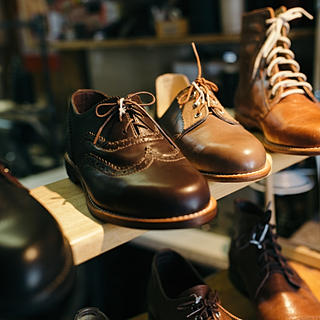
In recent years, the demand for sustainable fashion has grown significantly. This shift is especially noticeable in the footwear industry, where consumers are increasingly seeking products that combine quality craftsmanship with environmental responsibility. Sustainable handmade men's dress shoes represent a perfect blend of tradition, style, and eco-consciousness. In this article, I will explore the benefits of sustainable men's leather shoes, the craftsmanship behind them, and practical advice on selecting the right pair for your wardrobe.
Understanding Sustainable Men's Leather Shoes
Sustainable men's leather shoes are crafted with a focus on minimizing environmental impact while maintaining high standards of quality and durability. The sustainability aspect involves several factors:
Material sourcing: Using leather from tanneries that follow eco-friendly practices, such as vegetable tanning or chrome-free processes.
Production methods: Employing traditional handcrafting techniques that reduce waste and energy consumption.
Longevity: Designing shoes that last longer, reducing the need for frequent replacements.
Ethical labor: Ensuring fair wages and safe working conditions for artisans.
By choosing sustainable men's leather shoes, you support a system that values both the environment and the people involved in the production process. This approach contrasts with mass-produced footwear, which often relies on synthetic materials and fast fashion principles.

The Craftsmanship Behind Sustainable Handmade Shoes
Handmade shoes require a high level of skill and attention to detail. Artisans use time-honored techniques passed down through generations to create footwear that fits well and ages beautifully. The process typically includes:
Pattern making: Designing the shoe shape and cutting leather pieces precisely.
Lasting: Stretching the leather over a wooden form called a last to shape the shoe.
Stitching and assembly: Sewing the upper parts and attaching the sole by hand.
Finishing: Polishing and treating the leather to enhance durability and appearance.
This meticulous process ensures that each pair is unique and built to last. Moreover, handmade shoes often feature repairable components, such as replaceable soles, which further extend their lifespan.
What Shoes Should a 40 Year Old Man Wear?
At 40, men often seek shoes that balance style, comfort, and professionalism. Sustainable handmade men's dress shoes fit this profile well. Here are some recommendations:
Classic Oxfords: Timeless and versatile, perfect for formal occasions and business settings.
Derby shoes: Slightly more casual than Oxfords but still polished enough for office wear.
Loafers: Ideal for smart-casual looks, offering comfort without sacrificing elegance.
Brogues: Featuring decorative perforations, these shoes add character while maintaining sophistication.
When selecting shoes, consider the quality of leather and construction. A well-made pair will mold to your feet over time, providing superior comfort. Additionally, neutral colors like black, brown, or oxblood offer maximum versatility.

How to Care for Sustainable Handmade Leather Shoes
Proper care is essential to maintain the appearance and durability of your sustainable men's leather shoes. Follow these practical steps:
Regular cleaning: Use a soft brush or cloth to remove dirt and dust after each wear.
Conditioning: Apply leather conditioner every few months to keep the leather supple.
Polishing: Use a high-quality shoe polish to restore color and shine.
Water protection: Treat shoes with a water-repellent spray to guard against moisture damage.
Proper storage: Store shoes with cedar shoe trees to maintain shape and absorb moisture.
Investing time in shoe care not only preserves the look but also extends the life of your footwear, making it a sustainable choice in the long run.
Why Choose Sustainable Handmade Men's Dress Shoes?
Choosing sustainable handmade men's dress shoes offers several advantages:
Environmental impact: Reduced waste and lower carbon footprint compared to mass-produced shoes.
Quality and durability: Superior materials and craftsmanship result in longer-lasting footwear.
Unique style: Handmade shoes often feature distinctive designs and finishes.
Support for artisans: Purchasing these shoes helps preserve traditional skills and supports ethical labor practices.
For those who appreciate fine craftsmanship and want to make responsible choices, sustainable handmade shoes represent an excellent investment.
If you are looking to upgrade your collection, consider exploring options for men dress shoes that combine sustainability with elegance and comfort.
Embracing Sustainability in Footwear: A Step Forward
The movement toward sustainable fashion is more than a trend; it reflects a growing awareness of our environmental responsibilities. By choosing sustainable handmade men's leather shoes, you contribute to a more ethical and eco-friendly industry. Brands like GACCO Shoes, with their expertise in handcrafted footwear from Istanbul, are leading the way in offering premium products that meet these standards.
As consumers, we have the power to influence the market by prioritizing quality, sustainability, and craftsmanship. Investing in well-made shoes not only enhances your wardrobe but also supports a healthier planet and fairer working conditions worldwide.
This exploration of sustainable handmade men's dress shoes highlights the importance of thoughtful choices in fashion. By understanding the craftsmanship, care, and benefits of these shoes, you can make informed decisions that align with your values and style preferences.


Comments