
Discover the Elegance of Handmade Shoe Craftsmanship
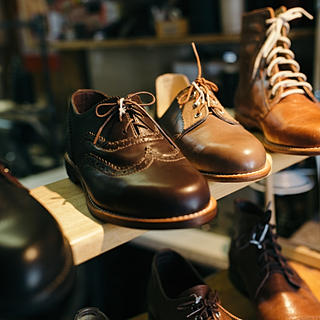
Handmade shoe craftsmanship represents a unique blend of tradition, skill, and artistry. Unlike mass-produced footwear, each pair of handmade shoes carries the mark of meticulous attention to detail and superior quality materials. This craftsmanship is not only about creating shoes but about preserving a heritage that values precision and durability. In this post, I will explore the various aspects of handmade shoe craftsmanship, its benefits, and why it remains a preferred choice for those seeking premium leather footwear.
The Art and Science of Handmade Shoe Craftsmanship
Handmade shoe craftsmanship involves a series of carefully executed steps that require both technical knowledge and artistic sensibility. The process begins with selecting the finest leather, which is crucial for the shoe’s comfort, durability, and appearance. Skilled artisans then cut the leather by hand, ensuring each piece fits perfectly with the others.
The next stages include stitching, lasting, and finishing. Stitching is often done with strong, waxed threads to ensure longevity. Lasting involves shaping the shoe over a wooden or metal form called a last, which gives the shoe its final shape. Finishing touches include polishing and adding soles, often crafted from leather or high-quality rubber.
This hands-on approach allows for customization and adjustments that machines cannot replicate. For example, the fit can be tailored to the wearer’s foot shape, and design elements can be personalized. The result is a shoe that not only looks elegant but also offers superior comfort and support.

Why Handmade Shoe Craftsmanship Stands Out
There are several reasons why handmade shoes continue to be valued despite the availability of cheaper, mass-produced alternatives. First, the quality of materials used in handmade shoes is generally higher. Artisans select premium leathers that age beautifully and develop a unique patina over time.
Second, the construction methods used in handmade shoes contribute to their durability. Techniques such as Goodyear welt or hand-welting allow the soles to be replaced without damaging the upper, extending the shoe’s lifespan significantly. This contrasts with glued soles found in many factory-made shoes, which tend to wear out quickly.
Third, handmade shoes offer a level of comfort that is difficult to achieve with mass production. The precise fit and natural materials allow the shoes to mold to the wearer’s feet, reducing pressure points and discomfort. This is particularly important for those who spend long hours on their feet or require specialized footwear.
Finally, handmade shoes carry an aesthetic appeal that reflects the artisan’s skill. The subtle details, such as hand-burnished edges and carefully placed stitching, create a refined look that stands apart from generic designs.
The Role of Tradition and Innovation in Handmade Shoes
Handmade shoe craftsmanship is deeply rooted in tradition, with many techniques passed down through generations. However, it is not static. Modern artisans often blend traditional methods with contemporary innovations to improve both function and style.
For instance, some shoemakers incorporate advanced materials like memory foam insoles or lightweight rubber soles while maintaining classic leather uppers and hand-stitched construction. This fusion allows for shoes that meet modern demands without sacrificing the heritage of craftsmanship.
Moreover, technology aids artisans in areas such as pattern making and sizing, ensuring greater precision. Yet, the core of the process remains manual, preserving the human touch that defines handmade shoes.
This balance between tradition and innovation is essential for brands aiming to establish themselves globally. It allows them to appeal to discerning customers who appreciate authenticity but also expect modern comfort and durability.

How to Identify Quality Handmade Shoes
When investing in handmade shoes, it is important to recognize the signs of quality craftsmanship. Here are some practical tips:
Examine the Stitching: Look for even, tight stitches without loose threads. Hand stitching often has a slightly irregular but consistent pattern.
Check the Sole Attachment: Quality handmade shoes usually feature stitched soles rather than glued ones. A visible welt around the sole is a good indicator.
Feel the Leather: Genuine, high-quality leather should feel supple and have a natural grain. Avoid shoes with synthetic or overly shiny finishes.
Inspect the Insole and Lining: These should be made from breathable materials like leather to enhance comfort.
Assess the Fit: Handmade shoes often offer better fit options, including custom sizing or wider/narrower widths.
Look for Brand Transparency: Reputable handmade shoe brands provide information about their production process and materials.
By paying attention to these details, buyers can ensure they are selecting shoes that will provide long-term value and satisfaction.
The Global Appeal of Handmade Footwear
Handmade shoes have a universal appeal that transcends cultural and geographic boundaries. Customers worldwide seek footwear that combines style, comfort, and durability. This demand has encouraged brands from various regions to showcase their craftsmanship on the global stage.
One example is the rising recognition of Istanbul-based shoemakers who blend Eastern and Western design influences. Their work reflects a rich cultural heritage and a commitment to quality. For instance, gacco shoes başakşehir exemplifies this trend by offering handcrafted leather shoes that appeal to an international clientele.
The global market for handmade shoes is expected to grow steadily, driven by consumers’ increasing preference for sustainable and artisanal products. According to industry reports, the handcrafted footwear segment is projected to expand by over 5% annually in the next five years.
This growth presents opportunities for brands to innovate while maintaining the core values of handmade craftsmanship. It also encourages consumers to invest in footwear that supports skilled artisans and sustainable practices.
Caring for Your Handmade Shoes
To maximize the lifespan and appearance of handmade shoes, proper care is essential. Here are some actionable recommendations:
Regular Cleaning: Use a soft brush or cloth to remove dirt and dust after each wear.
Conditioning: Apply leather conditioner periodically to keep the leather supple and prevent cracking.
Polishing: Use a high-quality shoe polish to maintain color and shine.
Proper Storage: Store shoes with cedar shoe trees to absorb moisture and maintain shape.
Avoid Excessive Moisture: Keep shoes dry and avoid wearing them in heavy rain.
Rotate Footwear: Avoid wearing the same pair every day to allow them to air out and recover.
Following these steps will help preserve the craftsmanship and ensure your shoes remain comfortable and elegant for years.
Embracing Handmade Shoe Craftsmanship in Your Wardrobe
Incorporating handmade shoes into your wardrobe is an investment in quality and style. These shoes complement both formal and casual attire, offering versatility and sophistication. When selecting handmade footwear, consider your lifestyle and preferences to choose designs that suit your needs.
Whether you prefer classic brogues, sleek oxfords, or casual loafers, handmade options provide a level of refinement that mass-produced shoes cannot match. Additionally, supporting artisans who dedicate their skills to this craft contributes to preserving a valuable cultural tradition.
For those interested in exploring premium handmade shoes, brands like gacco shoes başakşehir offer a range of options that combine Istanbul’s rich shoemaking heritage with modern design sensibilities.
By choosing handmade shoes, you are not only enhancing your wardrobe but also embracing a legacy of craftsmanship that values quality, durability, and elegance.
Handmade shoe craftsmanship remains a testament to the enduring value of skilled artisanship. Its blend of tradition, quality materials, and attention to detail creates footwear that stands the test of time. For those seeking premium leather shoes, investing in handmade options offers unmatched comfort, style, and longevity.


Comments