
Discover the Art of Sustainable Leather Craftsmanship
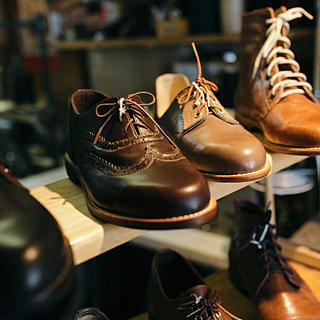
Sustainable leather craftsmanship is more than a trend; it is a commitment to quality, ethics, and environmental responsibility. As someone deeply involved in the world of handcrafted leather footwear, I have witnessed firsthand how sustainable practices can elevate the entire process—from sourcing raw materials to the final product. This approach not only respects the environment but also ensures that each pair of shoes carries a story of care and expertise.
In this post, I will share insights into sustainable leather sourcing, explain why it matters, and offer practical advice for those who appreciate premium, handcrafted leather footwear. Whether you are a connoisseur or simply curious about the process, understanding sustainable leather craftsmanship can enrich your appreciation of quality shoes.
Understanding Sustainable Leather Craftsmanship
Sustainable leather craftsmanship begins with responsible sourcing. Leather, a natural material, has traditionally been associated with environmental concerns such as deforestation, water pollution, and unethical labor practices. However, sustainable sourcing aims to minimize these impacts by selecting leather that is produced with care for the environment and human rights.
One key aspect is the use of leather from animals raised for food, where the hide is a byproduct rather than the primary product. This reduces waste and promotes a circular economy. Additionally, tanneries that follow strict environmental regulations limit the use of harmful chemicals and manage waste responsibly.
Sustainable leather craftsmanship also involves choosing vegetable-tanned leather over chrome-tanned leather. Vegetable tanning uses natural tannins from tree bark and plants, which are biodegradable and less toxic. This method takes longer but results in leather that ages beautifully and is safer for artisans and consumers alike.
By prioritizing these practices, craftsmen create durable, high-quality leather goods that stand the test of time. This approach aligns with the values of discerning customers who seek products that are both elegant and ethically made.

The Importance of Ethical Sourcing in Leather Production
Ethical sourcing is a cornerstone of sustainable leather craftsmanship. It ensures that every step of the supply chain respects workers' rights and environmental standards. This is crucial because the leather industry has historically faced criticism for poor labor conditions and environmental degradation.
To achieve ethical sourcing, manufacturers often partner with suppliers who provide transparency about their practices. This includes fair wages, safe working environments, and adherence to local and international labor laws. Certifications such as the Leather Working Group (LWG) audit tanneries for environmental compliance, promoting cleaner production methods.
From an environmental perspective, sustainable leather sourcing reduces water consumption and pollution. For example, some tanneries recycle water and use renewable energy sources. These efforts contribute to lowering the carbon footprint of leather production.
For customers, ethical sourcing means purchasing products that reflect their values. It also supports artisans and communities involved in the craft, fostering economic development and preserving traditional skills.

What shoes should a 40 year old man wear?
Choosing the right shoes at 40 involves balancing style, comfort, and quality. At this stage, footwear should reflect maturity and sophistication while offering durability for everyday use. Classic designs crafted from sustainable leather are an excellent choice.
For formal occasions, a pair of well-made oxford or derby shoes in black or dark brown is timeless. These styles complement business attire and formal wear, projecting confidence and professionalism. For casual settings, loafers or brogues made from vegetable-tanned leather provide comfort without sacrificing elegance.
Investing in handcrafted shoes ensures better fit and longevity. Artisans pay close attention to details such as stitching, sole construction, and leather quality. This results in footwear that molds to your feet over time, enhancing comfort.
When selecting shoes, consider brands that emphasize sustainable leather craftsmanship. This guarantees that your footwear is not only stylish but also ethically produced. For example, exploring options for men dress shoes from reputable sources can lead to discovering pieces that meet these criteria.
Practical Tips for Identifying Sustainable Leather
Understanding how to identify sustainable leather can help you make informed purchasing decisions. Here are some practical tips:
Check the Tanning Method: Look for vegetable-tanned leather, which is often labeled or described in product details. It has a distinct natural aroma and develops a rich patina over time.
Ask About Certifications: Certifications like LWG or ISO 14001 indicate adherence to environmental standards. Brands committed to sustainability usually provide this information transparently.
Examine the Leather Quality: Sustainable leather tends to have natural imperfections and a supple texture. Avoid overly shiny or plastic-like finishes, which may indicate synthetic coatings or chrome tanning.
Inquire About the Supply Chain: Brands that practice sustainable leather craftsmanship often share stories about their sourcing and production processes. Transparency is a good sign of ethical practices.
Consider Longevity: Sustainable leather products are designed to last. Investing in quality footwear reduces the need for frequent replacements, lowering overall environmental impact.
By applying these tips, you can confidently select leather goods that align with sustainable values and craftsmanship standards.
The Future of Sustainable Leather Craftsmanship
The future of sustainable leather craftsmanship looks promising as more consumers and manufacturers embrace responsible practices. Innovations in leather alternatives, such as plant-based and lab-grown materials, are gaining attention. However, traditional leather, when sourced and crafted sustainably, remains a preferred choice for many due to its durability and aesthetic appeal.
Brands like GACCO Shoes, with their roots in Istanbul, are leading the way by combining unique designs with expert craftsmanship and sustainable sourcing. Their commitment to quality and ethics positions them to become a globally recognized name in handcrafted footwear.
As awareness grows, the demand for transparency and sustainability will continue to shape the industry. This shift encourages continuous improvement in sourcing, production, and product lifecycle management.
For those who appreciate premium leather footwear, supporting sustainable craftsmanship means investing in products that honor tradition while protecting the future.
Embracing Sustainable Leather Craftsmanship in Your Wardrobe
Incorporating sustainable leather craftsmanship into your wardrobe is a meaningful choice. It reflects an appreciation for quality, ethics, and environmental responsibility. When selecting footwear, prioritize pieces that demonstrate careful sourcing and expert construction.
Maintaining your leather shoes properly also extends their life. Regular cleaning, conditioning, and appropriate storage preserve the leather’s natural beauty and durability. This care complements the sustainable values embedded in the craftsmanship.
By choosing sustainable leather footwear, you contribute to a more responsible fashion industry. You also enjoy the benefits of superior comfort, style, and longevity.
Explore collections that emphasize these principles and discover how sustainable leather craftsmanship can elevate your personal style.
This exploration of sustainable leather craftsmanship highlights the importance of responsible sourcing, ethical production, and quality design. By understanding these elements, you can make informed choices that support artisans and the environment alike.


Comments